
When mental health challenges persist despite your best efforts, the right support can make a meaningful difference. At The Terrebonne Group, psychiatric medication management is provided in close coordination with our psychotherapy services — bringing together two powerful forms of care under one roof. For patients navigating anxiety, depression, bipolar disorder, ADHD, or OCD, thoughtful medication management can be an essential part of the path forward.
What Is Psychiatric Medication Management?
Psychiatric medication management is a collaborative, ongoing process in which a qualified psychiatric clinician evaluates, prescribes, monitors, and adjusts psychiatric medications to reduce symptoms and support overall mental well-being. Unlike a brief appointment, true psychiatric medication management begins with a comprehensive evaluation, continues through regular follow-up appointments, and evolves as your needs and life circumstances change. The mental health medications prescribed through this process are selected with care, matched to the individual, and monitored consistently over time.
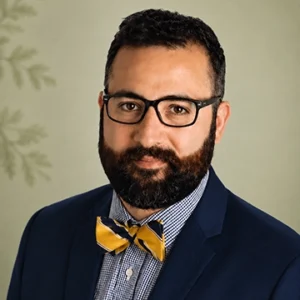
At The Terrebonne Group, this service is provided by Michael Romanelli, M.D., a psychiatrist board-certified in both internal medicine and psychiatry. Dr. Romanelli works alongside our psychologists and licensed clinical social worker to ensure that every treatment plan reflects the full picture of who you are — not just your diagnosis.
An Integrated Approach to Mental Health Care
One of the most significant advantages of receiving care at The Terrebonne Group is the integrated nature of our practice. Research shows that for many mental health conditions, combining psychotherapy with psychiatric medications produces better outcomes than either approach alone. When treating mental health conditions like anxiety disorders, depression, or bipolar disorder, medication can reduce symptoms enough to make the deeper work of therapy more accessible — while therapy builds the insight and resilience that medication alone cannot provide.
When your therapy and psychiatric care happen within the same practice, your providers communicate directly. This coordination ensures that necessary adjustments to your treatment plan reflect the full clinical picture, reduces the risk of conflicting guidance, and creates a seamless experience of care. Treating mental health conditions is most effective when the professionals involved truly collaborate, and that is the standard we hold ourselves to.
Conditions We Address Through Medication Management
The Terrebonne Group offers medication management for a focused range of mental health conditions. Our scope is deliberately structured to ensure that every person we serve receives the attentive, expert care they deserve. We do not offer medication management for severe mental illnesses such as schizophrenia or schizoaffective disorder — certain mental illnesses that require a higher level of psychiatric intensity than our practice provides — nor do we provide geriatric psychiatric services. We do not treat mental illness involving active psychosis. For people with those needs, we are glad to offer thoughtful referrals.
Within our scope, Dr. Romanelli treats the following:
Anxiety Disorders
Anxiety disorders affect people across all walks of life. Whether someone experiences generalized anxiety, panic attacks, or extreme fear responses that disrupt daily functioning, psychiatric medications can play a meaningful role. Commonly prescribed types of medication used to treat anxiety include anti-anxiety medications such as buspirone, antidepressants including SSRIs and SNRIs, and other medications addressing physical symptoms like elevated blood pressure. These medications help to relieve symptoms of hyperarousal and persistent worry that make daily functioning difficult. Anti-anxiety medications are most effective when integrated into a broader treatment plan that includes psychotherapy, and Dr. Romanelli monitors every response carefully to establish the right dosage.
Depression and Mood Disorders
Depression symptoms — including persistent sadness, fatigue, loss of interest, and sleep disruption — significantly impair daily life. When those symptoms don’t lift on their own, antidepressants are among the most well-studied psychiatric medications available. Antidepressant medications, when matched to a patient’s profile, can meaningfully reduce symptoms and support engagement in therapy.
We also provide medication management for bipolar disorder, which involves significant mood changes across depressive and elevated episodes. Treating bipolar disorder typically requires mood stabilizers and, in some cases, other medications to address specific phases of the illness. Because certain antidepressants can worsen bipolar disorder, proper medication management and ongoing monitoring are especially critical.
ADHD
ADHD affects concentration, impulse control, organization, and emotional regulation at every age. We offer medication management for ADHD at level 1 and level 2 presentations in adolescents ages 16 and older and adults. For younger children, we’re glad to provide referrals. Stimulant medications used to treat ADHD are controlled substances, prescribed with careful protocols and supported by some of the strongest evidence in psychiatry. Dr. Romanelli conducts regular check-ins to assess symptom response, dosage, and overall well-being, and recommends pairing medication treatment with therapy and lifestyle changes for optimal outcomes.
OCD
Obsessive compulsive disorder can cause significant distress and is frequently undertreated. Antidepressants — particularly SSRIs at higher dosages than those typically used to treat depression — are a primary medication treatment for OCD. Treating OCD effectively requires close collaboration between prescribing and therapy, something our integrated model is built to support.
Life Transitions, Grief, and Sleep Disruption
Not every mental health struggle fits neatly into a diagnostic category. Significant life transitions, grief, and sleep disruption can produce real anxiety and depression symptoms that affect people’s functioning and mental well-being. In these contexts, targeted medication can provide important stabilization while patients engage in the deeper work that therapy makes possible. Dr. Romanelli carefully evaluates when medication offers genuine benefits and when lifestyle changes or other treatments may be the more appropriate path.
Post-Traumatic Stress Disorder
Post traumatic stress disorder can follow a single event or prolonged adversity. Alongside therapy, certain psychiatric medications — including antidepressants and other medications — can help reduce symptoms like hypervigilance and intrusive memories. As with all conditions we treat, post traumatic stress disorder treatment at The Terrebonne Group is coordinated across our full clinical team.
How Psychiatric Medications Work
A common concern among patients beginning medication management is uncertainty about what taking medication long-term might mean. Psychiatric medications are not designed to suppress emotions or alter personality — their purpose is to restore balance to biological systems that contribute to mental disorders, creating the internal conditions necessary for healing and growth.
Many medications used to treat other mental disorders — including antidepressants, mood stabilizers, anti-anxiety medications, and antipsychotic medications — require a few weeks before their full therapeutic effect becomes apparent. During that window, Dr. Romanelli maintains regular check-ins to track early response and make any necessary adjustments to dosage. When someone requires multiple psychiatric medications to address complex presentations, such medications are monitored carefully for potential interactions and adverse effects to ensure both safety and effectiveness.
What patients often fear
- It will suppress my emotions or numb who I am
- Once I start, I’ll be on it forever
- It’s a quick fix — a substitute for real healing
- No one will monitor what happens after I start taking it
- Taking medication means my condition is more serious or hopeless
What psychiatric medication actually does
- Restores biological balance so you can be more fully yourself
- Duration is individualized and reviewed regularly — not assumed permanent
- Creates internal conditions that make therapy and growth more accessible
- Involves ongoing check-ins to track response, dosage, and any adjustments needed
- Is one tool in a broader plan — a sign of proactive care, not severity
These concerns are common — and worth discussing. Dr. Romanelli welcomes questions at every appointment.
Ongoing Monitoring and Making Adjustments
Effective medication management requires ongoing monitoring and a willingness to adapt. Making adjustments to dosage or switching to other medications are normal parts of treatment — not signs of failure.
At regular follow-up appointments, Dr. Romanelli reviews symptom patterns, evaluates how taking medication is affecting daily life, assesses adverse effects, and considers how lifestyle changes and other therapies are contributing to outcomes. These regular follow-up appointments also ensure the recommended treatment plan stays well-coordinated with your psychotherapy. This careful, longitudinal attention is what makes truly effective psychiatric medication management possible — and what distinguishes relationship-centered care from transactional mental health treatment.
Commonly Prescribed Types of Psychiatric Medications
Understanding what’s available can help patients feel more informed and confident as they begin treatment.
Antidepressants are used to treat depression, anxiety disorders, OCD, and other mental disorders. SSRIs and SNRIs are the most commonly prescribed antidepressants, with benefits extending across multiple mental health conditions. The effectiveness of antidepressants for well-matched patients is well established, and they remain among the most studied psychiatric medications in clinical practice.
Mood stabilizers are used primarily to treat bipolar disorder, reducing the frequency and severity of mood episodes. Dosage monitoring is an essential part of using mood stabilizers safely and effectively.
Anti-anxiety medications are used to treat anxiety, panic attacks, and extreme fear. Some anti-anxiety medications are controlled substances intended for short-term use; others can be used over long periods without the same concerns.
Antipsychotic medications may be used within our clinical scope to treat depression or bipolar disorder that hasn’t responded fully to other medications. However, we do not prescribe antipsychotic medications for schizoaffective disorder, schizophrenia, or other psychotic mental illnesses outside our scope of practice.
ADHD medications — both stimulant and non-stimulant — are used to treat attention, impulse control, and hyperactivity, with strong evidence supporting their effectiveness when appropriately prescribed.
Why Choose The Terrebonne Group
Those seeking psychiatric medication management in New Orleans deserve more than a prescription and a brief visit. They deserve mental health professionals who know them, who track progress with genuine attentiveness, and who view medication as one part of a broader approach to care.
At The Terrebonne Group, medication management is practiced within a warm, experienced, and collaborative clinical team. Dr. Romanelli’s specialized expertise in treating mental health conditions is integrated into a practice built on more than two decades of clinical excellence in New Orleans. Whether you are new to psychiatric medication or seeking a practice where treating your mental health involves genuinely connected therapy and prescribing, the benefits of coordinated care are real.
We welcome new patients and are happy to answer any questions about our approach, our scope of practice, and how to get started.
What to Expect at Your First Appointment
Your first appointment begins with a comprehensive evaluation. Dr. Romanelli will review your mental health history, current symptoms, medical history, and any medications or supplements you are currently taking — including any controlled substances. He will ask about lifestyle factors, sleep, relationships, and what has brought you to seek support now.
This evaluation is the foundation of your treatment plan. Understanding your mental health challenges in context — including past treatment experiences, drug use history, and any co-occurring medical concerns — allows Dr. Romanelli to make individualized recommendations rather than applying a generic protocol.
Your first appointment is also an opportunity to ask questions and discuss what you hope to achieve. Dr. Romanelli will provide education about any psychiatric medications being considered, including their potential side effects, how effectiveness develops over time, and how they interact with other treatments you may be receiving. We believe that informed patients make better partners in their own care.
Why Choose The Terrebonne Group
Those seeking psychiatric medication management in New Orleans deserve more than a prescription and a brief visit. They deserve mental health professionals who know them, who track progress with genuine attentiveness, and who view medication as one part of a broader approach to care.
At The Terrebonne Group, medication management is practiced within a warm, experienced, and collaborative clinical team. Dr. Romanelli’s specialized expertise in treating mental health conditions is integrated into a practice built on more than two decades of clinical excellence in New Orleans. Whether you are new to psychiatric medication or seeking a practice where treating your mental health involves genuinely connected therapy and prescribing, the benefits of coordinated care are real.
We welcome new patients and are happy to answer any questions about our approach, our scope of practice, and how to get started.
What to Expect at Your First Appointment
Your first appointment begins with a comprehensive evaluation. Dr. Romanelli will review your mental health history, current symptoms, medical history, and any medications or supplements you are currently taking — including any controlled substances. He will ask about lifestyle factors, sleep, relationships, and what has brought you to seek support now.
This evaluation is the foundation of your treatment plan. Understanding your mental health challenges in context — including past treatment experiences, drug use history, and any co-occurring medical concerns — allows Dr. Romanelli to make individualized recommendations rather than applying a generic protocol.
Your first appointment is also an opportunity to ask questions and discuss what you hope to achieve. Dr. Romanelli will provide education about any psychiatric medications being considered, including their potential side effects, how effectiveness develops over time, and how they interact with other treatments you may be receiving. We believe that informed patients make better partners in their own care.
Meet Dr. Michael Romanelli
For many people, the idea of starting psychiatric medication brings as many questions about the person prescribing it as about the medication itself. Who will be making these decisions? Will they take the time to understand my situation? Will I feel heard?
Michael Romanelli, M.D., is board-certified in both internal medicine and psychiatry, with specialized clinical training in evaluating, diagnosing, and treating a wide range of mental health conditions in adults and adolescents ages 16 and older. For younger children and teens, we’re glad to provide referrals. He brings both the clinical precision and the genuine warmth that thoughtful psychiatric care requires.
At The Terrebonne Group, Dr. Romanelli practices within an integrated care model — working alongside our psychologists and licensed clinical social worker to ensure that every patient’s medication management is informed by the full picture of their psychological care. This means your prescriber and your therapist are not strangers to each other’s work. They collaborate. That coordination is rare in psychiatric care, and it makes a meaningful difference in outcomes.
Dr. Romanelli’s approach to medication management is grounded in relationship. He believes that the best prescribing decisions come from truly knowing a patient — their history, their concerns, their goals, and how they are responding over time. He conducts thorough evaluations, explains his reasoning clearly, and welcomes questions at every appointment.
If you are considering psychiatric medication management — whether for yourself or a teen ages 16 and older — Dr. Romanelli offers a thoughtful, unhurried first appointment designed to help you understand your options and feel confident in the path forward.
Dr. Romanelli’s initial consultation is $400 and includes a comprehensive evaluation of your mental health history, current concerns, and treatment goals. Follow-up appointments are $200.
The Terrebonne Group is a private pay, out-of-network practice. Payment is due at the time of service, and we are happy to provide documentation you can submit to your insurance carrier for potential reimbursement. Many patients find that their out-of-network benefits cover a meaningful portion of the cost, and our team can help guide you through that process.
Contact Us
Ready to get started?
Taking the first step toward psychiatric medication management is often the hardest part. We make it as straightforward as possible. Whether you have questions about our approach, want to learn more about working with Dr. Romanelli, or are ready to schedule your initial consultation, we are here and happy to help.
Call us: (504) 864-0800
Office location: 4209 Canal Street, Mid-City New Orleans, LA
Medication management appointments with Dr. Romanelli are held in person at our Mid-City New Orleans office. New patients are welcome.
Let's Talk
Contact Us
Ready to get started?
Taking the first step toward psychiatric medication management is often the hardest part. We make it as straightforward as possible. Whether you have questions about our approach, want to learn more about working with Dr. Romanelli, or are ready to schedule your initial consultation, we are here and happy to help.
Call us: (504) 864-0800
Office location: 4209 Canal Street, Mid-City New Orleans, LA
Medication management appointments with Dr. Romanelli are held in person at our Mid-City New Orleans office. New patients are welcome.
Let's Talk
FAQS
Frequently-Asked Questions About Psychiatric Medication
How long will I need to take medication?
Duration varies depending on the condition being treated and your individual treatment plan. Some people benefit from short-term medication support during periods of acute stress; others manage ongoing mental health conditions with long-term psychiatric medication care. Dr. Romanelli discusses this at your first appointment and revisits it as needs evolve.
Will medication replace therapy?
No. Psychiatric medication management at The Terrebonne Group complements psychotherapy — it does not replace it. For most mental health conditions, the combination produces more durable outcomes than either alone. Our integrated model makes that coordination natural and consistent.
What happens at follow-up appointments?
Dr. Romanelli reviews your response to current medications, addresses possible side effects, and evaluates whether dosage or medication type warrants adjustment. These appointments also address how lifestyle changes and other therapies are contributing to overall progress.
Are psychiatric medications safe?
All psychiatric medications carry potential side effects and possible interactions with other substances — which is why comprehensive evaluation and ongoing monitoring matter so much. Dr. Romanelli ensures your medical history fully informs prescribing decisions and monitors your response carefully over time. The goal is always the right medication at the right dosage for your specific needs — with close attention to your mental well-being throughout.